I Tried Junk Journaling For a Month—Here’s What Happened
Admittedly, I never paid much attention to the random everyday items like receipts, coupons, flyers, stamps, or product tags before throwing them away. That changed when I discovered the latest trend in self-care taking over social media: junk journaling.
Junk journaling may seem contradictory, but that’s what makes it unique. Rather than being a place for organizing thoughts or to-do lists, it’s a space for organizing all your miscellaneous items.
Consider it as a more relaxed and informal version of traditional journaling and scrapbooking. The beauty of it lies in the absence of strict rules. In a world that emphasizes productivity, perfection, and constant engagement, this unstructured activity could offer the mental health break we all need.
The Importance of Hobbies for Stress Relief
Given the promising stress-busting benefits and practically no barrier to entry, the self-care enthusiast in me naturally had to give it a try.
My Experience
Ahead, discover how the process unfolded for me and whether the excitement lived up to expectations.
My Weekly Creative Journaling Journey
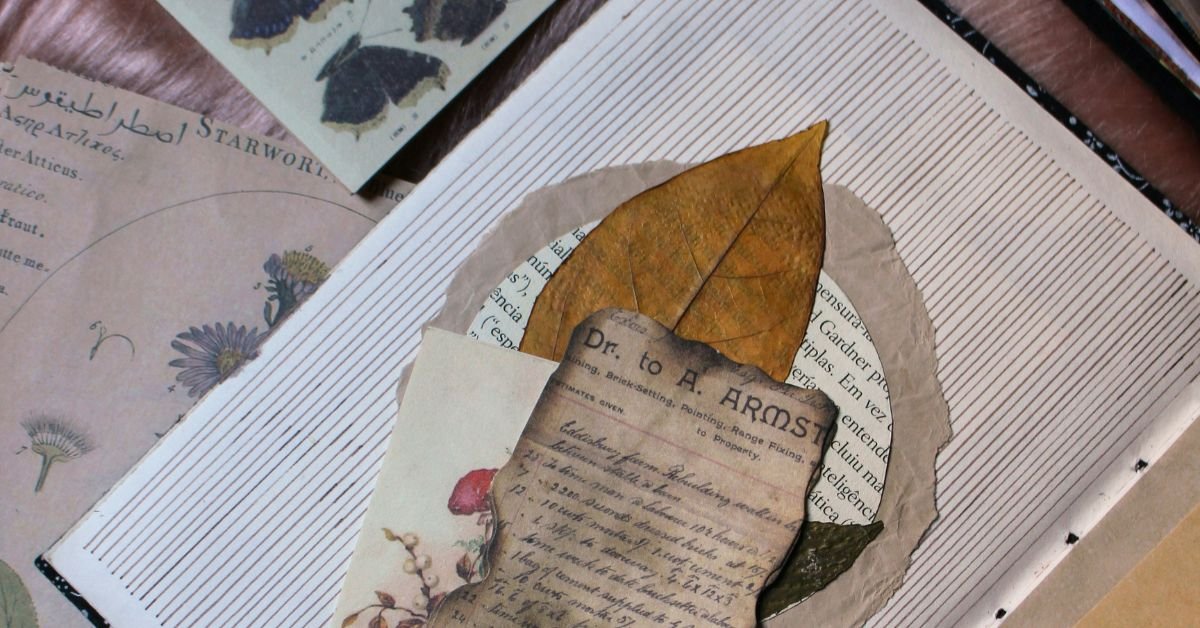
To align with the theme, I opted to craft my own journal for this project by repurposing discarded materials. Examples of a few pages from my journal can be seen above. Utilizing an old wedding card for the cover, I creatively assembled old newspaper sheets, paper bags, and leftover wrapping paper to form the pages. Isn’t that fascinating?
Now, let’s delve into the progression of this endeavor:
Week 1
Starting out was challenging despite my enthusiasm for trying something different. I gathered all the necessary materials, but when I sat down to begin, I felt blocked. I sought inspiration from various junk journal flip-throughs on YouTube, but it only heightened my anxiety about starting.
However, I then reminded myself that there are no strict guidelines to follow. Therefore, there was no pressure to achieve perfection. I set aside all the expert advice and simply dove into the project. I picked up the various scraps and started gluing without being concerned about the final outcome looking aesthetically pleasing. It didn’t turn out perfectly. But did I enjoy the process? Absolutely. It took some time to break free from the need to be flawless. Once I overcame that, I was able to relax and have a good time—ultimately, that was the main objective.
Week 2
By not setting any expectations for the weekly activities, the creative ideas flowed more effortlessly. There was no need to push myself to start the tasks. Surprisingly, I found myself fully immersed for more than three hours, which is unusual considering how my focus tends to waver due to our modern, technology-driven lifestyle.
Week 3
The author faced a lack of paper junk for the week, leading to a creative challenge when creating a spread. She utilized unconventional scraps such as withered leaves, dried floral tea remnants, and colorful buttons to craft a whimsical nature-themed collage.
Week 4
I caught a cold this week, but I eagerly anticipated getting better so I could spend time with my journal. During this period, I also noticed an increased sense of mindfulness in my everyday activities, such as eating a snack, organizing, or grocery shopping.
The past four weeks felt like a treasure hunt of sorts. Regardless of my tasks, part of my mind was always on the lookout for something special to include in my journal. This process added a touch of happiness to even the most mundane chores. Additionally, I found that creating journal spreads kept me so engrossed that I spent less time doomscrolling.
The flexibility of the junk journaling process was incredibly liberating, particularly for someone like me, who tends towards perfectionism. There are no strict rules in junk journaling, eliminating the fear of making errors. The most rewarding aspect was the feeling of achievement derived from creating something concrete from scratch. It served as a great mood enhancer.
Why Junk Journaling Works
After observing the numerous positive effects, the question arose: is there scientific evidence supporting this? To answer this, I consulted experts to uncover how engaging in creative activities such as junk journaling can enhance our mental health. Here are their insights:
It May Reduce Stress And Anxiety
Engaging in creative self-expression through activities like art journaling can be a liberating experience. Instead of focusing on structured writing, individuals can utilize colors, textures, and images to convey emotions. This form of expression has shown to have a positive impact on mental well-being, helping to lower stress levels, alleviate anxiety, and enhance overall mood,” states Lisa Anderson, LCSW, clinical director at Brooks Healing Center, Tennessee.
It Encourages Present-Moment Awareness
The hands-on and creative process of selecting, cutting, and gluing various materials promotes mindfulness, anchoring you in the current moment, as stated by Allison Barton, a therapist from San Diego who specializes in trauma, anxiety, and perfectionism. This practice helps divert your attention from intrusive thoughts and emotions, leading to a sense of increased serenity and self-awareness, according to Anderson.
Cultivating Gratitude And Joy
Junk journaling encourages individuals to derive meaning from seemingly trivial items, such as a coffee shop receipt from a delightful morning, a pressed flower collected during a walk, or a whimsical doodle that brought a smile to their face. By assembling these small details in a journal, they serve as visual prompts of the uplifting moments often overlooked. This shift in perspective helps individuals move away from fixating on stress towards acknowledging the small sparks of happiness in their day, as explained by Anderson.
With practice, this ability can lead to a heightened sense of appreciation for everyday life and foster a more optimistic emotional outlook, according to Barton.
Should You Try Junk Journaling?
Junk journaling, as highlighted by Barton, is a form of creative self-expression that welcomes people of all ages and artistic capabilities. It is especially suitable for individuals struggling with perfectionism, as it encourages a free and non-judgmental approach to creativity. This artistic practice can also be comforting for those coping with grief or trauma, providing a secure environment to navigate and process challenging emotions that may be difficult to articulate, according to Janet Bayramyan, LCSW.
Junk Journaling Benefits for Neurodivergent Individuals
Junk journaling can be particularly beneficial for neurodivergent individuals, such as those with ADHD or autism. According to Anderson, this creative activity provides a flexible and hands-on approach to processing thoughts and emotions, allowing individuals to express themselves without the constraints of strict guidelines.
Alternatives to Junk Journaling
If junk journaling doesn’t resonate with you, there are other options that can provide similar mental health advantages. For instance:
The important thing is to select a creative activity that feels right and pleasurable for you – something that allows your mind to relax and enables self-expression, as recommended by Anderson.
Takeaway
Will I continue junk journaling after this month-long experiment? Absolutely. Initially sparked by a TikTok trend, junk journaling has become a delightful addition to my self-care routine, aiding me in slowing down, being more present, and fostering gratitude for life’s small joys.
However, am I advocating for everyone to start junk journaling? Not necessarily. Self-care is not one-size-fits-all, akin to Cinderella’s shoe. As experts suggest, choose practices that resonate most with you.